
Buying a home is one of the most important financial decisions in life, yet many buyers focus heavily on price, location, and design while paying less attention to one critical step: how to verify property documents before buying a home in India. Proper document verification protects you from fraud, title disputes, hidden liabilities, and legal complications that could cost you dearly in the future.
This comprehensive 2026 guide provides practical, step-by-step advice for first-time home buyers, investors, families, and NRIs. It explains exactly how to perform property document verification, what to look for in each document, and how to ensure the property has a clear title and full legal compliance.
Why Property Document Verification Matters?
Property document verification is not optional — it is the foundation of a safe purchase. In India, where property fraud cases, fake title deeds, and delayed projects continue to make headlines, skipping thorough checks can lead to years of litigation, loss of money, or even loss of the property itself.
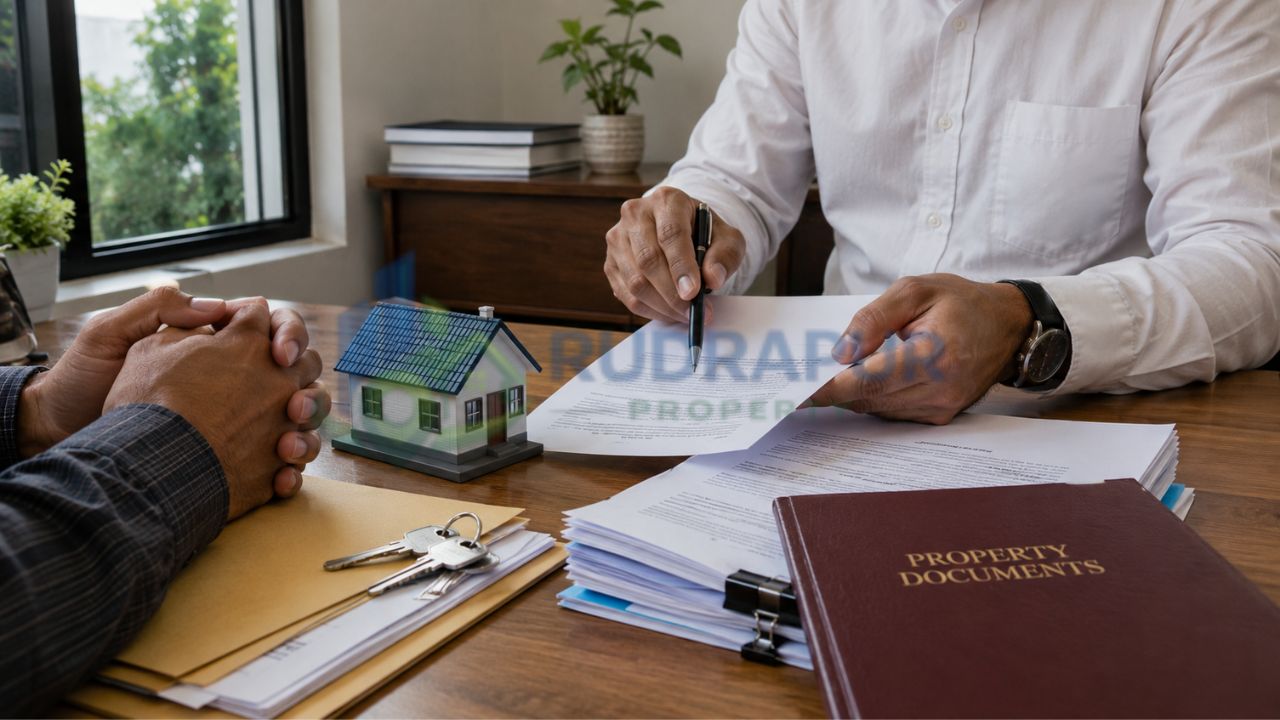
Key reasons verification is essential:
- Confirming genuine ownership — Ensures the seller has the legal right to transfer the property.
- Avoiding fraud and disputes — Detects forged documents or multiple claimants.
- Identifying encumbrances — Uncovers outstanding loans, mortgages, or court cases attached to the property.
- Ensuring regulatory approvals — Verifies the property complies with building norms and is legally sellable.
- Protecting your investment — Clean documents improve resale value, rental potential, and eligibility for home loans.
In a market with both ready-to-move and under-construction options, early property ownership verification saves time, money, and stress.
Step-by-Step Guide to Verify Property Documents
Follow this practical process before paying any significant amount or signing final agreements:
- Request Original Documents Early Ask the seller or builder for scanned and original copies. Never rely solely on photocopies.
- Verify Seller’s Identity Cross-check Aadhaar, PAN, passport, and any Power of Attorney documents. Confirm the seller matches the name on ownership records.
- Review Title Deed and Sale Deed Examine the main ownership document and the most recent registered sale deed.
- Trace the Chain of Ownership Review previous deeds (Mother Deed) to ensure an unbroken ownership history, ideally for 30+ years.
- Obtain and Analyze Encumbrance Certificate Get a fresh EC from the sub-registrar’s office covering at least 30 years.
- Check Land Use and Approval Documents Verify approved layout plans, building sanctions, and land conversion certificates if applicable.
- Confirm Mutation and Tax Records Ensure the property is mutated in the seller’s name and all taxes are paid.
- Validate RERA Registration (for projects) Check details on the state RERA portal.
- Engage a Property Lawyer Get an independent title search report and legal opinion.
- Conduct Physical Site Inspection Compare actual property with documents for any discrepancies.
Perform these steps systematically as part of your home buying checklist India.
Important Documents Buyers Must Check
Here is a detailed explanation of key legal documents to check before buying property:
- Title Deed: The primary document establishing ownership. Ensure it is registered and matches the seller’s details.
- Sale Deed: The registered document of the latest transfer. This is what will be updated in your name after purchase.
- Mother Deed / Chain of Title: Older documents showing complete ownership history. Look for any breaks or unresolved issues.
- Encumbrance Certificate (EC): Official record showing the property is free from loans, liens, or legal claims.
- Agreement to Sell: Preliminary contract detailing price, timeline, and conditions. Ensure it is properly drafted.
- Property Tax Receipts: Latest paid receipts from municipal authorities.
- Mutation Record / Khata Certificate: Revenue record proving the property is in the seller’s name.
- Approved Layout Plan / Building Sanction Plan: Permissions from development authorities showing approved construction.
- Occupancy Certificate (OC): For ready properties — confirms the building is fit for habitation.
- Completion Certificate (CC): Verifies construction matches approved plans.
- Possession Letter: Formal handover document from builder or previous owner.
- RERA Registration Details: Project registration number, promoter info, and status on the state portal.
- No Objection Certificates (NOCs): From society, bank, environment department, or other authorities as required.
- Utility Bills and Society Records: Recent payments and share certificates (for apartments).
Keep digital and physical copies of everything for your records.
How to Check Ownership and Title?
Title deed verification is the heart of property ownership verification.
- Match names and details across all documents.
- Trace transfers through previous sale deeds to confirm no disputes.
- Visit the sub-registrar’s office to confirm registrations.
- For inherited properties, check succession certificates or wills.
- In joint ownership cases, ensure all co-owners consent in writing.
A qualified lawyer can perform a comprehensive title search at the registrar and revenue offices to identify any hidden claims.
How to Verify Encumbrance and Liabilities?
An encumbrance certificate check is non-negotiable. This document, issued by the sub-registrar, lists all transactions, mortgages, or legal proceedings related to the property over a specified period (request 30+ years).
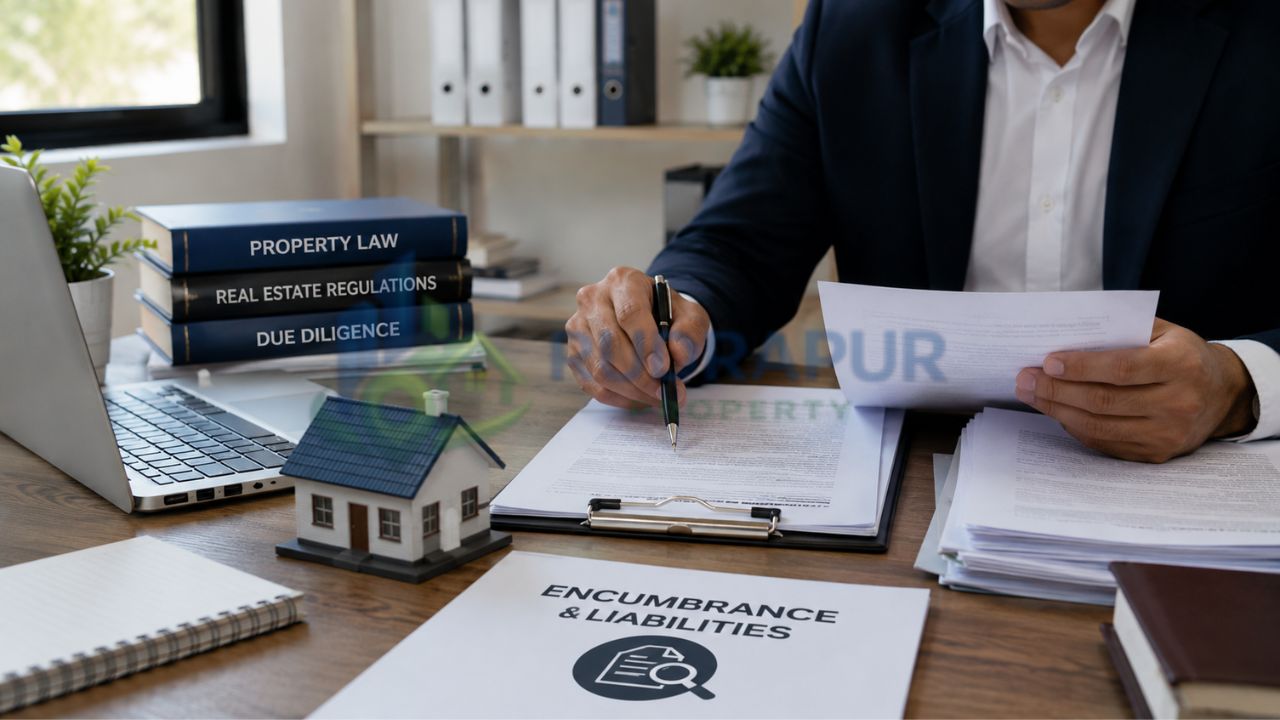
- A “Nil” or clear EC is ideal.
- Any entries for loans mean the liability must be cleared before sale.
- Cross-verify with bank records if a previous loan existed.
Many buyers have faced issues when sellers hid outstanding loans — a fresh EC helps detect this early.
How to Verify Approvals and RERA Compliance?
Regulatory approvals ensure the property is legally built and sellable:
- Building Sanction Plan: Must match actual construction.
- Land Use Permission: Especially important for plots converted from agricultural use.
- RERA Approval Check: For new projects, verify registration, timelines, and escrow accounts on the state RERA website. This protects buyers from delays and misuse of funds.
- Occupancy/Completion Certificates: Mandatory for ready-to-move homes.
Lenders always insist on these for home loan approval, so verifying them early avoids last-minute rejections.
Physical Verification Before Purchase
Documents must match reality on the ground:
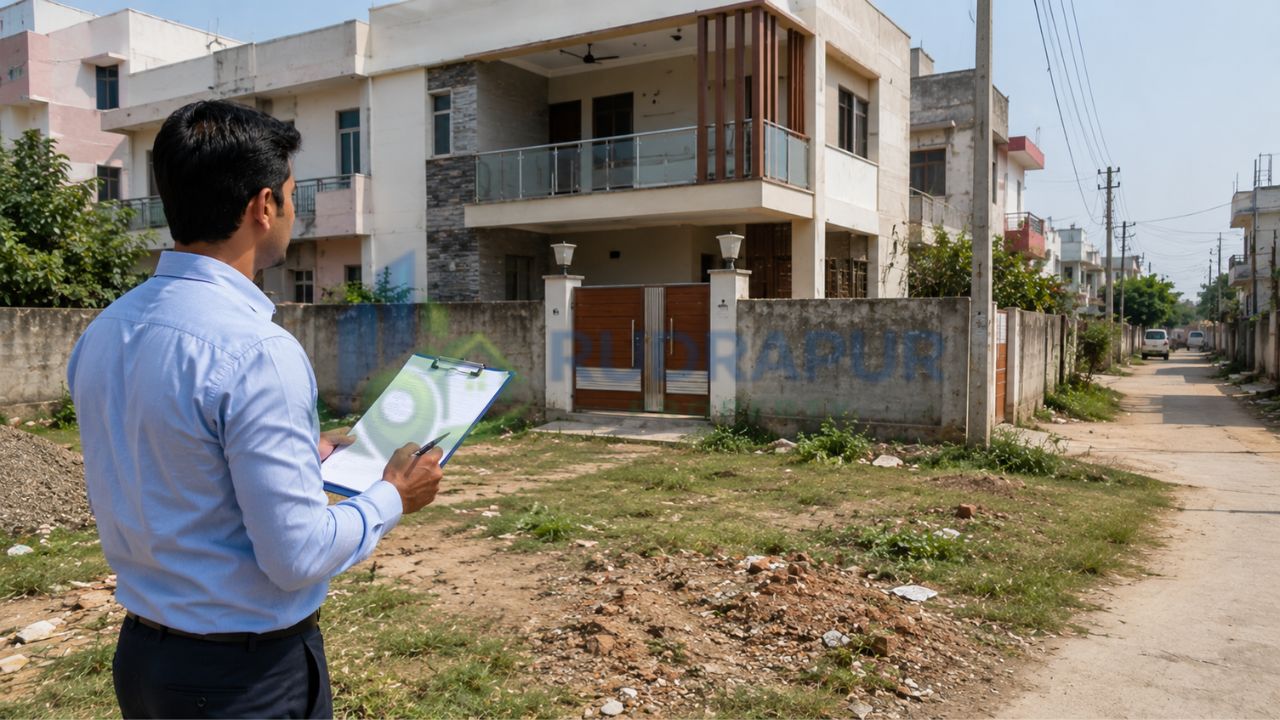
- Measure plot boundaries and built-up area.
- Check access roads, water, electricity, and drainage.
- Look for any encroachments or neighbor disputes.
- Inspect construction quality against approved plans.
- Evaluate neighborhood development and future infrastructure.
Take photos and notes during visits. A mismatch between documents and physical site is a major red flag.
Home Loan and Bank Verification
Banks conduct their own rigorous checks:
- Legal opinion from their panel lawyer.
- Verification of title, EC, and approvals.
- Project approval status for apartments/villas.
- Your income documents alongside property papers.
A property with clean documents gets faster loan approval and better terms. Always share your due diligence report with the bank.
Common Red Flags to Watch For
Stay alert to these warning signs during property document verification:
- Seller reluctant to provide originals or full chain.
- Missing or incomplete title history.
- Unregistered agreements or old EC.
- Mismatch in names or property details.
- Pending taxes, dues, or utility bills.
- No RERA registration for new projects.
- Pressure to book quickly without time for checks.
- Discrepancies between documents and on-site measurements.
If you spot any red flag, pause and consult a lawyer immediately.
Role of a Property Lawyer or Local Expert
While you can start the process yourself, professional help is invaluable. A property lawyer offers:
- Independent title search and due diligence report.
- Verification at government offices.
- Drafting/review of agreements.
- Identification of hidden risks.
Local experts familiar with regional practices (municipal rules, revenue departments) add extra layers of protection, especially for NRIs or outstation buyers.
Conclusion
Learning how to verify property documents before buying a home in India empowers you to make secure, informed decisions. By systematically checking title deeds, encumbrance certificates, approvals, RERA compliance, and other essential records — and combining this with professional guidance and physical inspection — you dramatically reduce risks and protect your investment.
Safe property buying starts with thorough property document verification. Take the time to do it right, consult experts when needed, and move forward with confidence toward owning your dream home.
Frequently Asked Questions (FAQs)
What documents should I verify before buying a home in India?
Key documents include Title Deed, Sale Deed, Encumbrance Certificate, Mutation Records, Approved Plans, Occupancy Certificate, and RERA details (for projects). A full checklist is covered in this guide.
How do I check if a property has a clear title?
Review the complete chain of title deeds, obtain a fresh Encumbrance Certificate, confirm mutation in the seller’s name, and get a lawyer’s title search report.
What is an encumbrance certificate?
It is an official document from the sub-registrar’s office that lists all financial and legal liabilities on the property. A clear EC is essential for safe purchase.
Is RERA registration important for home buyers?
Yes. It ensures project transparency, timely delivery, and buyer protections. Always verify RERA status for under-construction properties.
Do banks verify property documents before giving a home loan?
Yes. Banks require clear title, approvals, and a legal opinion from their panel lawyer before sanctioning a loan.
Can I buy a property without legal verification?
It is legally possible but extremely risky. Many buyers later face disputes or financial losses due to skipped verification.
What are the biggest red flags in property documents?
Missing originals, broken title chain, old or unclear EC, lack of approvals, name mismatches, or seller pressure to skip due diligence.